Call now 877-643-8738

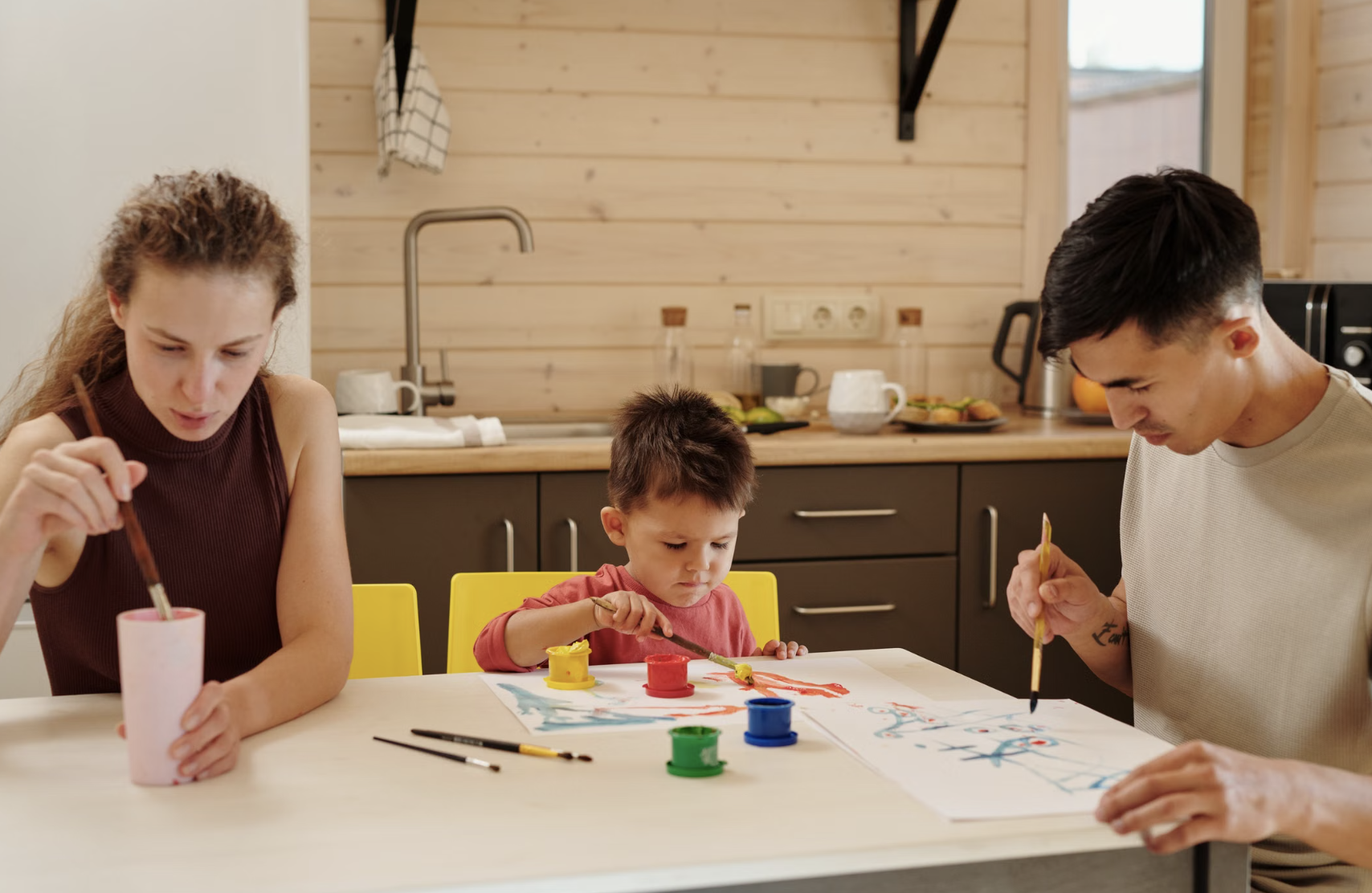
Key Points:
- The first ABA session with Get Set ABA is not about “fixing behaviors,” but about observation, connection, and understanding your child at their own pace.
- Simple preparation, such as using positive language, bringing comfort items, and setting a calm environment, can help your child feel more secure and confident.
- Parents play a key role too: sharing goals, observations, and questions helps our BCBA build a more personalized and effective therapy plan from day one.
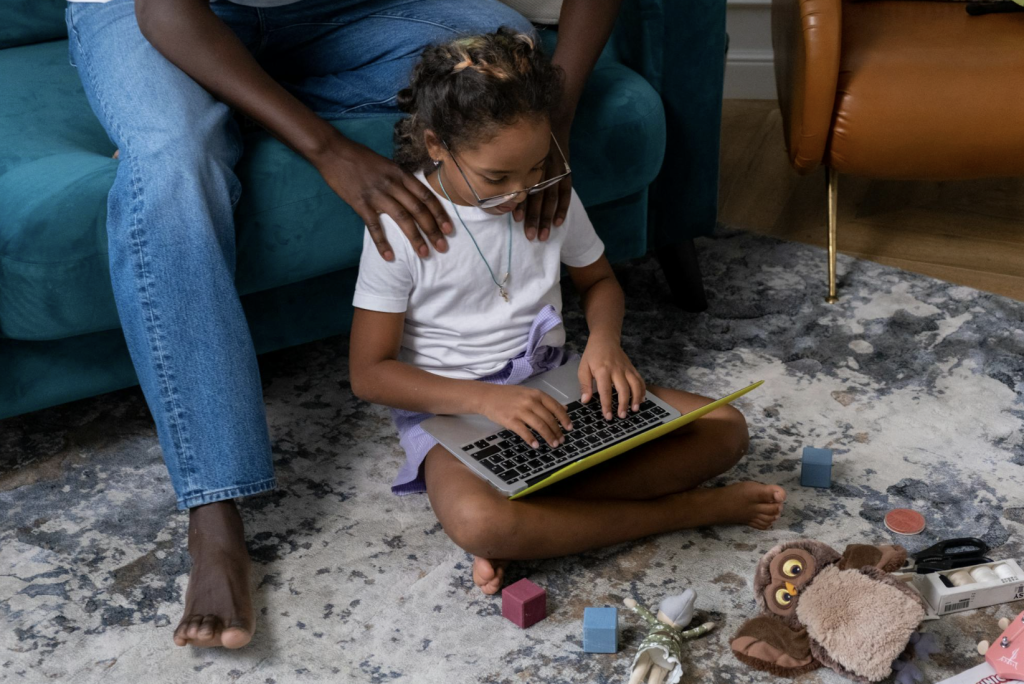
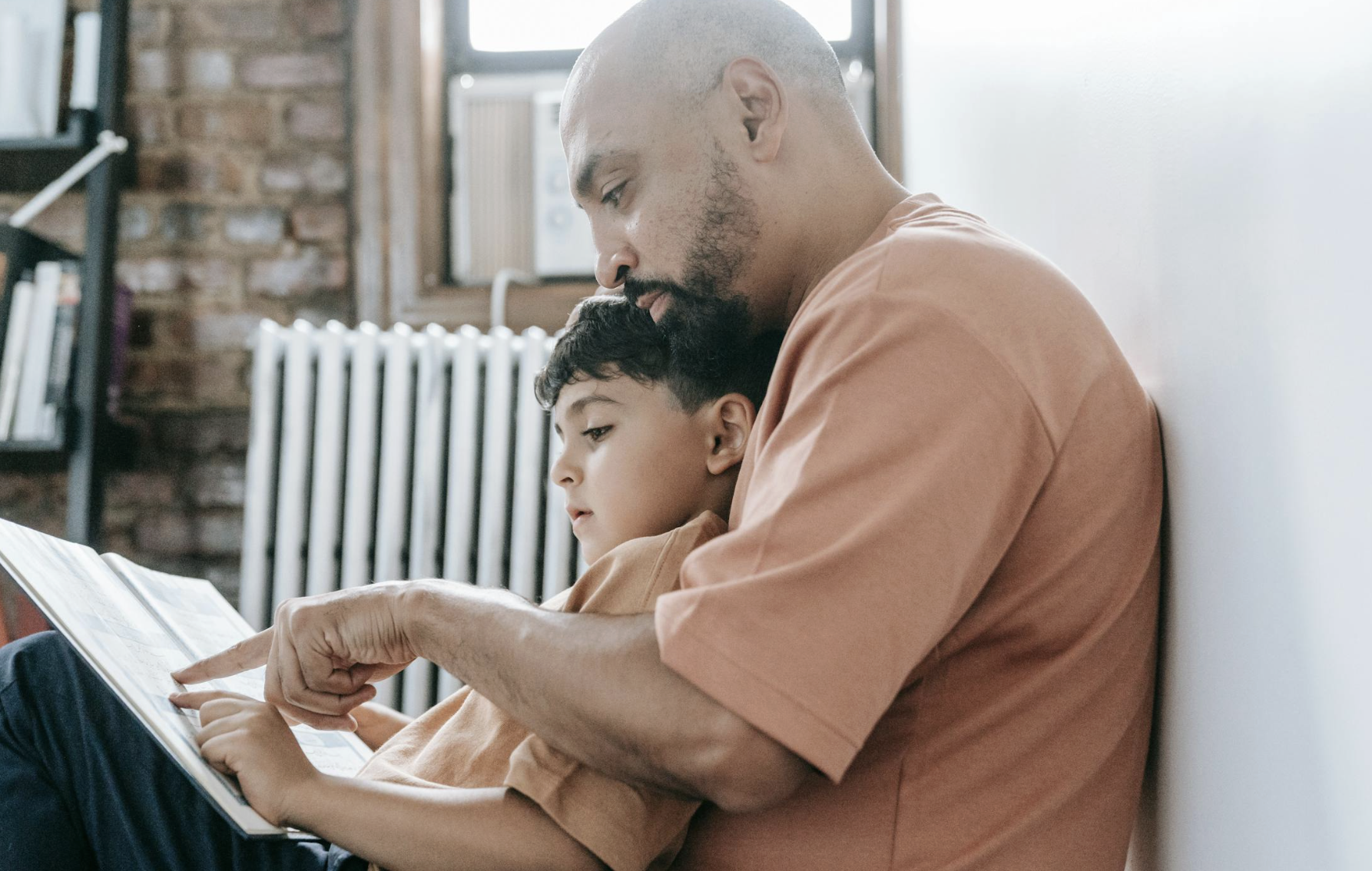
Starting ABA therapy is a big milestone, and if you’re starting your first session soon, you’ve already done the hard part of getting here by navigating evaluations and insurance approvals.
So breathe… and get ready for exciting times of growth and thriving ahead.
What Happens at Your First ABA Session With Us?
Now that the first appointment with Get Set ABA is on the calendar, it’s normal to feel a mix of relief, hope, and nerves. The good news? A little preparation goes a long way.
Many parents expect structured teaching or immediate behavior change. In reality, the first ABA session with us is almost always about two things: observation and rapport-building.
Your child’s Board Certified Behavior Analyst (BCBA) will spend time:
- Watching how your child plays and communicates
- Observing how they respond to their environment
- Getting to know your child at their own pace
There’s no pressure to “perform.” The goal is to build trust and gather information. Knowing this can take a lot of weight off your shoulders before you even walk in the door.
Preparing Your Child
Use simple, positive language.
Children pick up on our anxiety. The way you introduce the appointment matters. Try something like:
- “We’re going to visit a new friend who loves to play.”
- “Today we’re going to a learning center where you get to bring your favorite toys.”
Avoid anything that implies they need to “be good” or that something is wrong. You want curiosity and calm, not pressure.

Introduce the therapist ahead of time.
We can share a photo of the therapist beforehand so you can show your child the picture over a few days leading up to the session.
Pair it with something positive: “This is Sarah. She loves puzzles just like you.” Familiar faces feel less intimidating, especially for children who struggle with transitions or new people.
Make comfort items present.
Whatever helps your child feel grounded, bring it. Comforting options might include your child’s:
- favorite stuffed animal or toy
- fidget tool they love
- familiar blanket or comforting object, such as noise-reducing headphones
- favourite snack
These items also give the therapist useful clues about what motivates and soothes your child, which feeds directly into building an effective therapy plan.
Set up the space.
If services are being delivered at home, the environment is in your hands. It doesn’t need to be perfect, just thoughtful.
A few simple steps:
- Choose a calm, relatively distraction-free space
- Clear away clutter and turn off background TV
- Let other family members know a session is happening
- Make sure your child has eaten and is well-rested before the therapist arrives
Starting at school.
If your child is starting their first therapy session with us in a school setting, parents can:
- Make sure the ABA team, teacher, and school staff are aligned on goals and routines.
- Share your child’s schedule, triggers, and top motivators early on.
- Expect the first sessions to focus on rapport-building, not heavy demands.
- Use daily school moments (recess, transitions, lunch) as learning opportunities.
- Reinforce simple routines at home, such as backpacking, mornings, and “first/then” language.
- Ask about visual schedules and supports to ease transitions.
- Start with small, achievable goals like communication, turn-taking, and following instructions.

Keep the pressure low, wherever learning happens.
On the day of the session, don’t coach your child on how to behave. It’s okay if they’re not talkative, won’t sit still, or seem uninterested. That behavior is actually useful information for the BCBA. Our therapist is trained to meet your child exactly where they are.
Preparing Yourself as a Parent or Caregiver
Your preparation matters just as much. The more you bring to that first ABA session in Maryland, the faster your BCBA can build a plan that actually fits your child.
Gather documentation and notes.
Pull together anything useful, such as:
- Recent evaluations or school reports
- Medical records or diagnoses
- Notes on specific behaviors you’ve observed
- Short videos of behaviors you want to highlight
Real-world data is far more valuable to a BCBA than memory alone during an initial assessment.

Think about your goals.
Before the appointment, ask yourself:
- What skills do I most want my child to develop?
- Which behaviors are creating the biggest challenges at home, school, or in the community?
The clearer you are on your priorities, the better our BCBA can shape a treatment plan around your family’s real life.
Set realistic expectations.
It’s natural to want results quickly, especially after everything it took to get here. But starting ABA therapy in Maryland with Get Set ABA is a process, not a single event. The first session plants a seed.
Progress builds over time through consistency, relationships, and a carefully designed plan.
Families who go in expecting connection rather than immediate change tend to have a much better experience overall.
Write down your questions.
You’ll have a lot on your mind during the session. Write your questions down beforehand.
Good ones to start with:
- How will we communicate between sessions?
- What does the treatment plan process look like?
- How can I reinforce skills at home?
- What does early progress look like?
Our BCBA is an expert, so they will welcome these questions and more. We know, it’s a sign of an engaged, invested parent.
Plan to be nearby.
Most providers will ask you to remain accessible during the first visit. That might mean staying in a nearby room at home, or simply being reachable by phone.
Your presence helps your child feel secure, and the BCBA may want to check in with you during or after the session.

With Get Set ABA, ABA Therapy Starts Before the First Session
The process usually begins well before that first session. We start with an intake session, form, or call where a BCBA listens to your concerns and begins to understand what your family needs. From there, they’ll schedule a formal evaluation, verify insurance, and build a treatment plan before services begin.
Our first interaction sets the tone for everything that follows. We aim to make you feel heard, not rushed, and to explain each step clearly.
Contact us today to start the Get Set ABA process or call: 877-6438-738.
FAQs
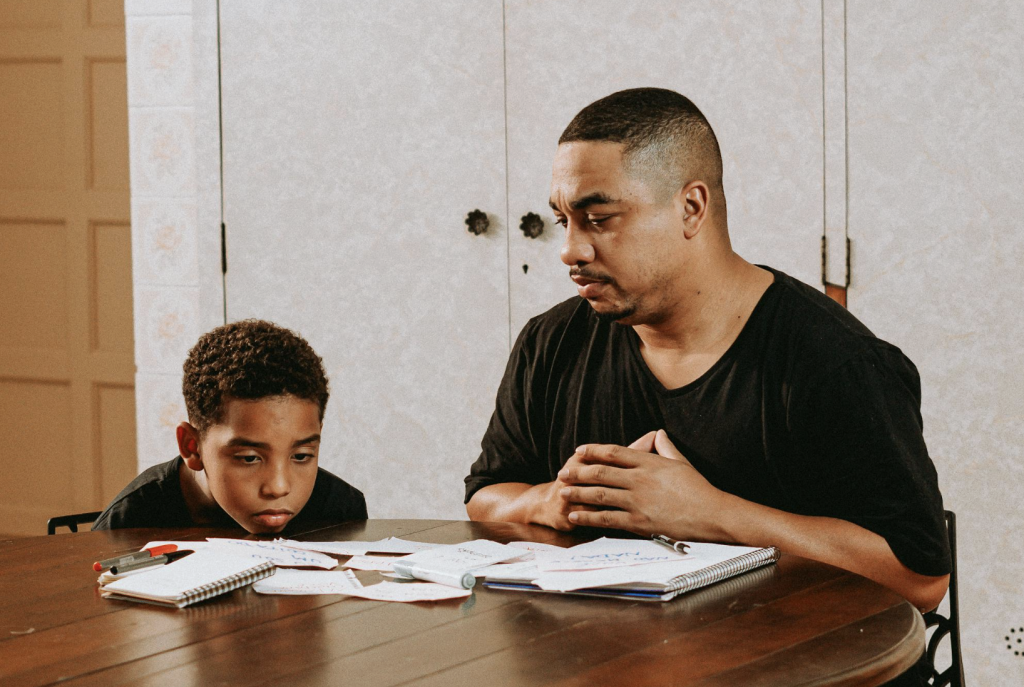
1. What should I expect at my child’s first ABA therapy session?
The first session is mainly focused on getting to know your child. The BCBA will observe how your child communicates, plays, and interacts with their environment. There are no heavy demands or expectations, just gentle observation and rapport-building.
2. Will my child start structured therapy right away?
Not usually. Most first sessions are about building comfort and understanding your child’s needs. Structured teaching and behavior goals are introduced gradually after the initial assessment period.
3. How long is the first ABA session?
Session length can vary depending on your child’s needs and setting, but initial visits typically range from 1 to 3 hours. Your care team will guide you on what’s best for your child specifically.
4. Can I stay with my child during the first session?
Yes. Parents are often encouraged to be nearby, especially during the first visit. Your presence helps your child feel secure, and the BCBA may also check in with you for additional information.
5. What should I bring to the first ABA session?
Bring anything that helps your child feel comfortable and regulated, favorite toys, snacks, comfort items, or sensory tools. It’s also helpful to have any reports, evaluations, or notes about your child’s behaviors.
6. What if my child doesn’t cooperate or seems upset?
That’s completely okay and very common. The therapist is trained to work at your child’s pace. Even resistance, avoidance, or hesitation provides valuable information that helps shape a better treatment plan.
7. How soon will I see progress after starting ABA therapy with Get Set ABA?
Every child is different. Early sessions focus on connection and assessment, while progress builds gradually over time with consistency. Families often begin noticing small changes as rapport and routines develop.