Call now 877-643-8738

Key Points:
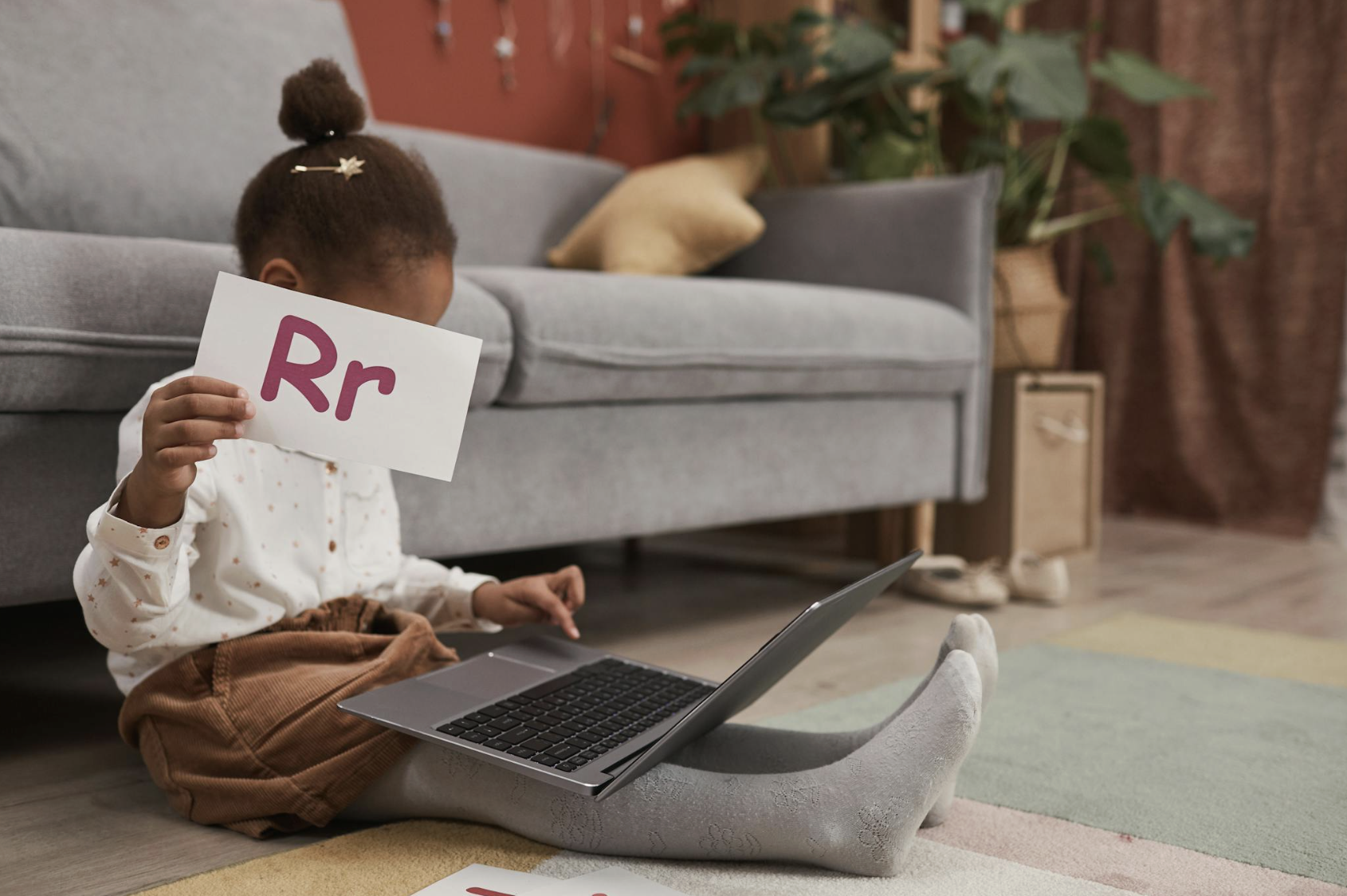
- Safe, familiar environment: Therapy happens at home, in a safe, familiar environment.
- Real-life skills: Children learn the skills they need to be more independent in natural settings
- Family involvement: Parents are active partners in therapy.
When a child is diagnosed with autism or developmental delays, the “where” of therapy matters just as much as the “what.”
For many families across the Old Line State, home-based ABA services offer a transformative way to bridge the gap between clinical goals and real-world independence. By bringing Applied Behavior Analysis into your living room, therapy stops being a “doctor’s appointment” and starts becoming a natural part of your child’s growth.
Understanding the In-Home Therapy Process
Getting started isn’t nearly as clinical as it sounds. The in-home therapy process is rooted in collaboration. It kicks off with a visit from a Board Certified Behavior Analyst (BCBA) who isn’t just there to observe your child, but to listen to your family’s unique rhythm.
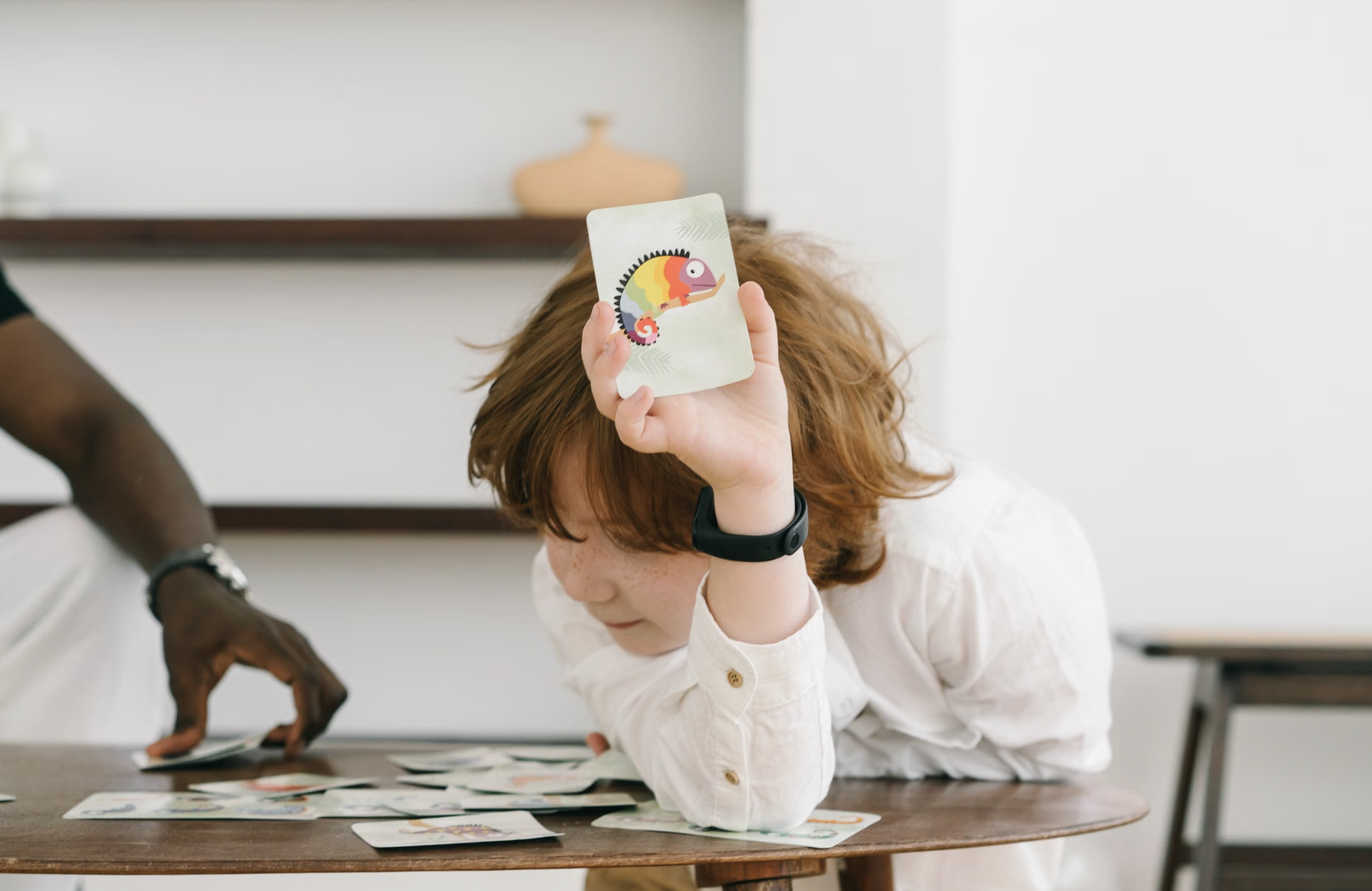
They develop a roadmap, an individualized treatment plan, that is individualized to meet your child’s needs. A dedicated technician (called an RBT) then implements this plan through Natural Environment Training (NET). This means instead of sitting at a desk, your child might practice social sharing while playing with their favorite puzzle set or learn to follow directions in their own kitchen.

Why Families Choose ABA at Home: Benefits That Hit Close to Home
ABA at home benefits go far beyond avoiding traffic on I-95. The real magic happens in the “naturalness” of the setting:
- Skill Generalization: If a child learns to ask for a snack in a clinic, they might only do it there. When they learn it at your kitchen counter, the skill sticks for life.
- Lowered Stress: The “new place jitters” are gone. In a familiar home environment, sensory triggers are managed, and children feel safe.
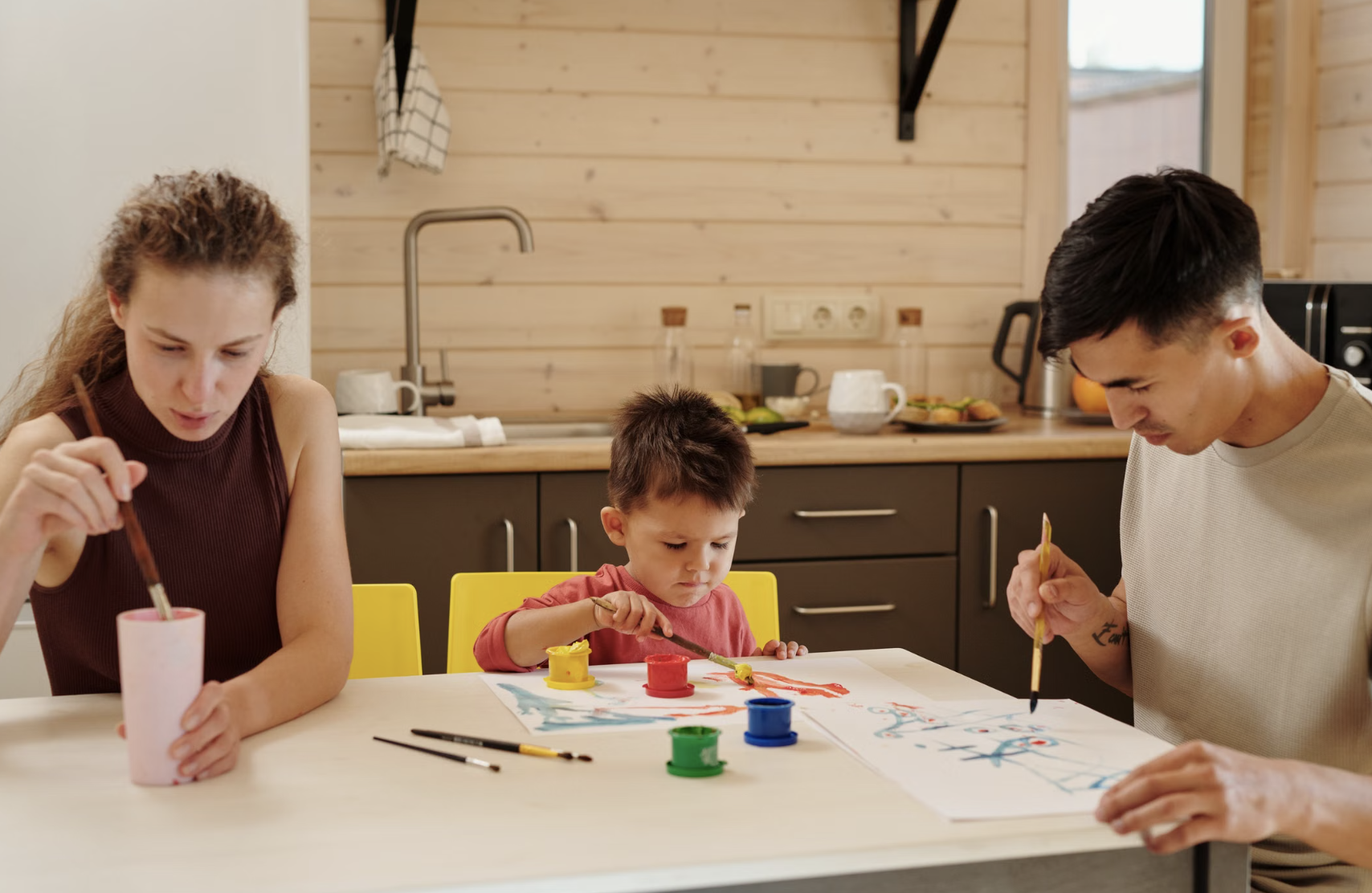
- Real-Life Independence: We focus on the skills your child needs to be independent. Whether it’s getting dressed or sitting through a family dinner, playing an interactive game with a peer or sibling, your ABA team will help your child learn the skills they need to be successful in the real world.
Who Flourishes in a Home Setting?
While ABA is versatile, this specific model is a game-changer for:
- Early Learners (Ages 2–6): Establishing routines early in the place where they spend the most time.
- Families Craving Input: If you want to be “hands-on” and learn the “why” behind behavioral strategies, this is for you.
- Kids with High Anxiety: Those who find clinical settings overwhelming or overstimulating.
Breaking Down the Home Session Structure
What does a typical afternoon look like? A home session structure is a mix of high energy and intentional focus:
- The “Pairing” Phase: The therapist starts by getting to know your child and engaging him in activities he or she enjoys. Building rapport ensures the child wants to engage.
- Play-Based Learning (NET): Using toys and games to prompt communication or social interaction.
- Functional Tasks: Practicing “real-life” skills like hand-washing or cleaning up.
- Positive Reinforcement: High-fives, favorite stickers, or extra playtime to celebrate every success.
The “First Visit” Checklist: Questions for Your BCBA
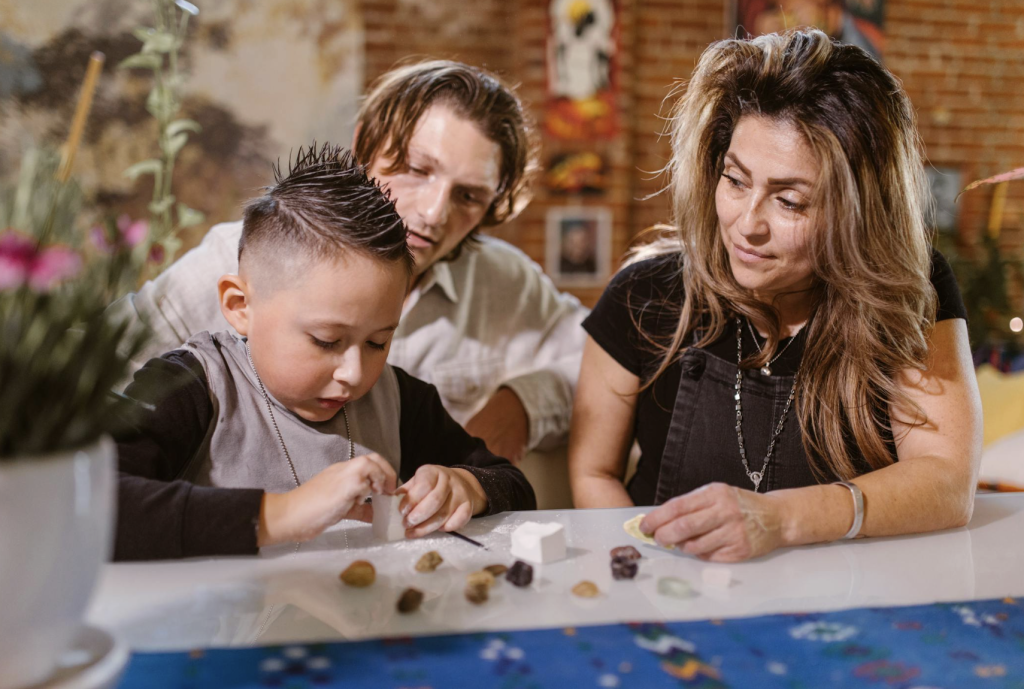
When a BCBA enters your home for an evaluation, they are looking at your child’s skills, but you should be observing their fit with your family. Use these questions to spark a real conversation:
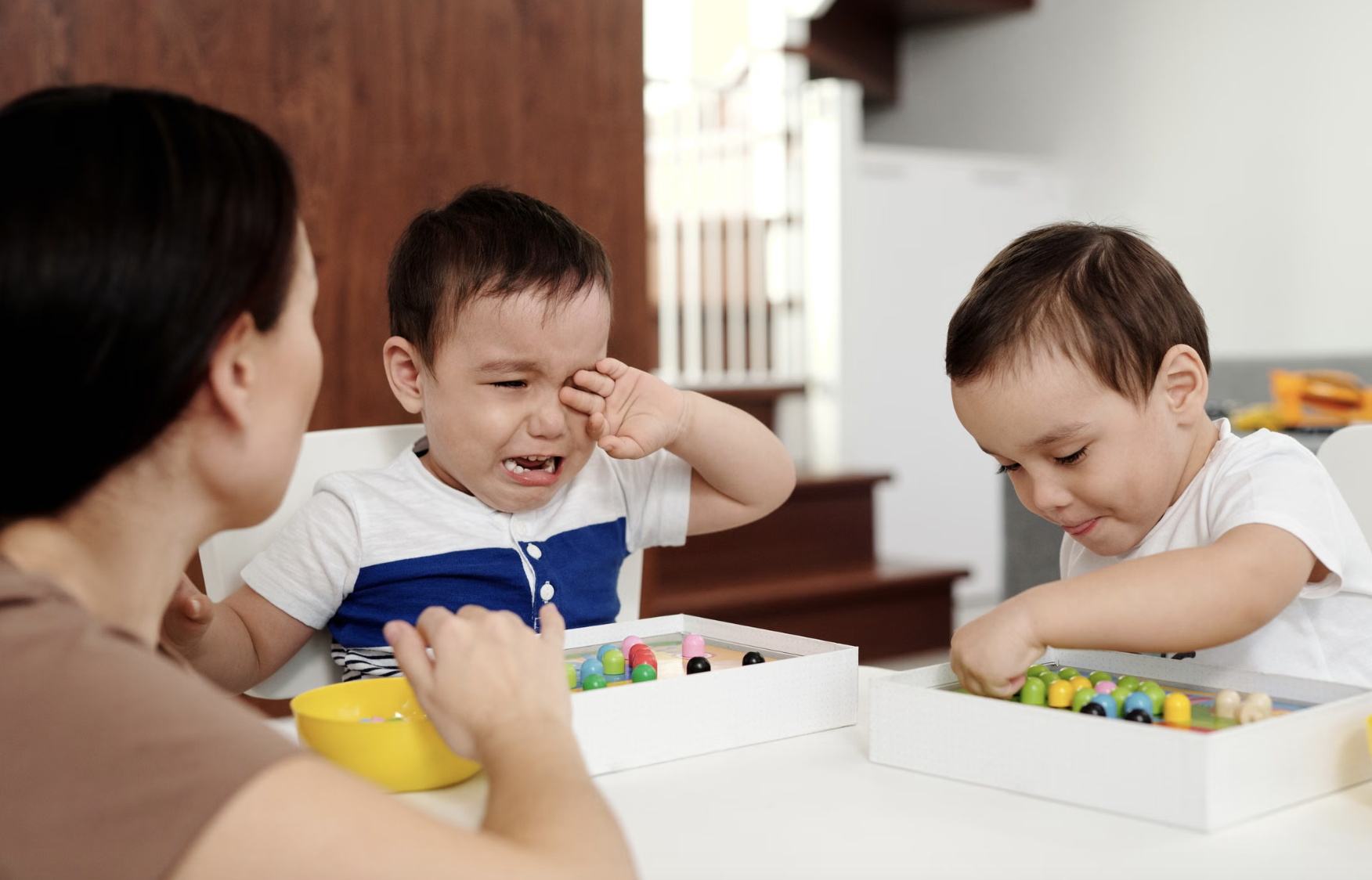
- Approach: “How do you handle a child who is ‘shutting down’ or crying during a task?” (Look for answers that prioritize emotional regulation over strict compliance).
- The Team: “Who is the RBT (Registered Behavior Technician) assigned to us, and how do you supervise their home session structure?”
- Integration: “How will you help us with family involvement? ABA works best when parents aren’t just bystanders. How will you coach us to handle tantrums at the grocery store or bedtime?”
- Environment: “How do you adapt your home environment therapy to our specific house rules, like ‘no shoes’ or ‘only eating at the table’?”

Maryland In-Home Services: The Get Set ABA Difference
Navigating the healthcare system can feel like a maze. At Get Set ABA, we prioritize making Maryland in-home services easy and accessible for you. We focus on matching a BCBA and RBT who will be a good fit for your child and your family. We are constantly in touch with you to make sure things are progressing well and are always available if you have concerns.
We are your partners in this journey.
By choosing therapy in your own home, you aren’t just helping your child learn, you’re helping your whole family thrive in the place where you feel most like yourselves.
Start your in-home ABA process with us today.

FAQs
1. What is home-based ABA therapy?
Home-based ABA therapy brings Applied Behavior Analysis into your child’s everyday environment. Instead of attending clinic sessions, a trained professional works with your child at home, using familiar settings and routines to teach skills and reduce challenging behaviors.
2. Who provides therapy in my home?
A Board Certified Behavior Analyst (BCBA) develops your child’s individualized treatment plan, and a Registered Behavior Technician (RBT) implements the plan during in-home sessions. The BCBA supervises progress and adjusts goals as needed.
3. How long does a typical home session last?
Sessions vary depending on your child’s needs and age. We will create a schedule that feels right for your family
Each session combines play, skill-building, and functional tasks to make learning natural and engaging.
4. How do home-based sessions differ from clinic sessions?
In-home sessions focus on real-life skills and natural settings. Children learn in familiar surroundings, which helps generalize behaviors to daily routines, reduces stress, and encourages independence.
5. Can parents be involved in the therapy process?
Absolutely. Parent involvement is a key part of home-based ABA. BCBAs coach families on strategies to support learning throughout the day, from tantrum management to reinforcing skills at mealtime or bedtime.
6. What kinds of children benefit most from home-based ABA?
Home-based ABA is particularly helpful for early learners (ages 2–6), children with high anxiety, or families who want hands-on involvement in therapy. It’s flexible and tailored to each child’s personality and needs.
7. How do I start home-based ABA in Maryland?
Getting started is simple: reach out to us so we can help you begin the process. Contact us now.