Call now 877-643-8738


Key Points:
- ABA therapy uses proven, evidence-based techniques to help children with autism build communication, social, and daily living skills through structured, personalized programs.
- Every ABA program is designed around your individual child, created and supervised by a Board Certified Behavior Analyst (BCBA) and adjusted over time as your child grows.

If you just got a diagnosis for your child, or you’re still in that uncertain middle space where something feels off but you don’t have answers yet, this is for you. Not for the researchers. Not for the clinicians. For the parent sitting at the kitchen table at 11 pm with seventeen browser tabs open.
Let’s slow down and just talk through this.
So, What Is ABA Therapy?
Applied Behavior Analysis, most people just call it ABA, is a therapy approach built around one pretty intuitive idea: behaviors that get reinforced tend to increase, and behaviors that don’t get reinforced tend to fade. That’s it at the core.
From that foundation, therapists build highly structured, personalized programs that help children learn skills, communicate, and navigate the world with more ease.
Research shows that ABA remains one of the most effective interventions for autism. That doesn’t mean it’s a magic fix or that every program looks the same; it really doesn’t. But for many families, it’s made a meaningful difference. Hear from families who’ve seen significant change from our ABA therapy.

How Does It Actually Work?
A few things happen in a good ABA program.
First, a Board Certified Behavior Analyst (a BCBA) spends time really getting to know your child, their strengths, their challenges, what motivates them, and what shuts them down. From there, a treatment plan gets built around that specific kid, not a generic autism profile.
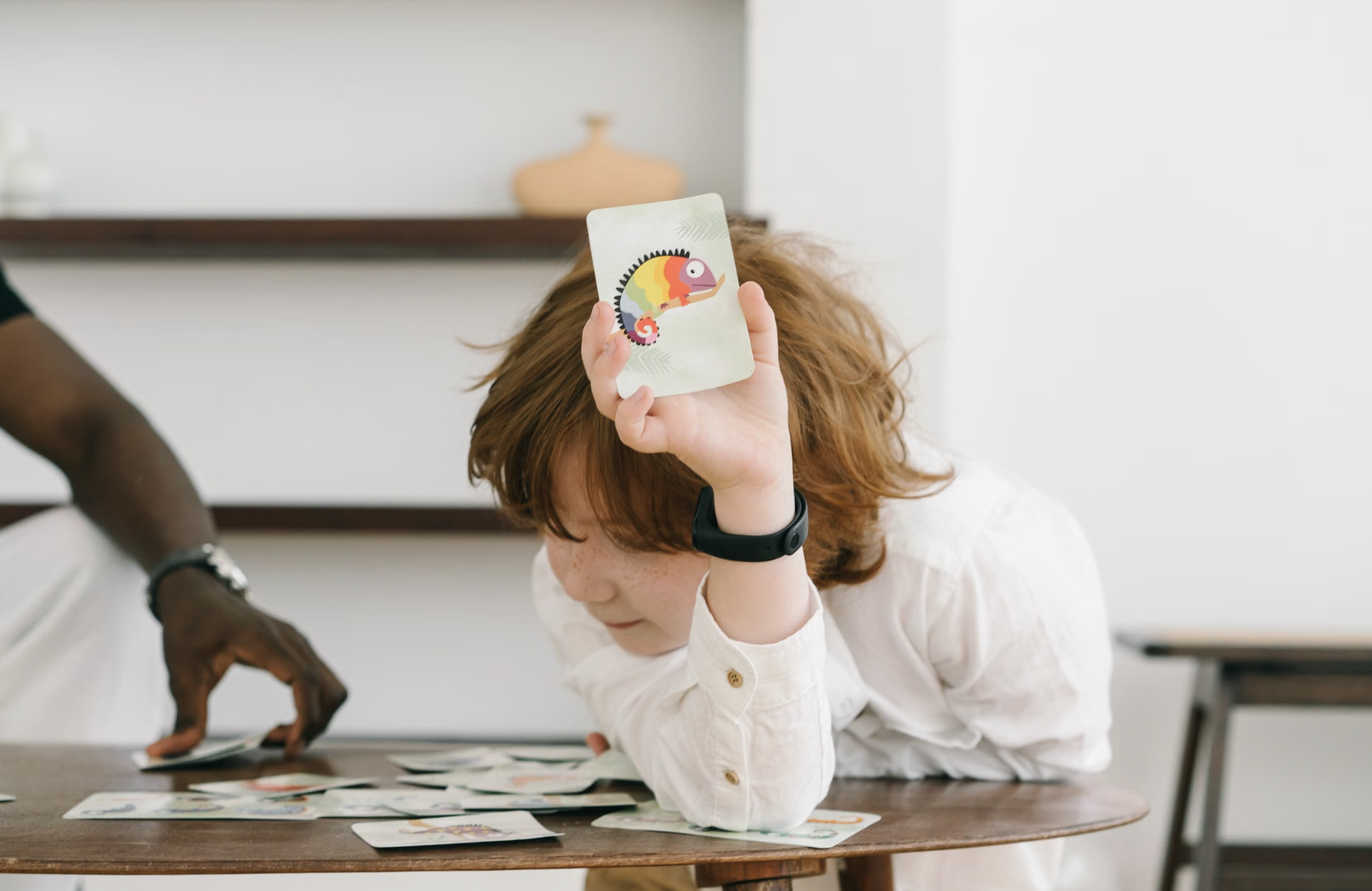
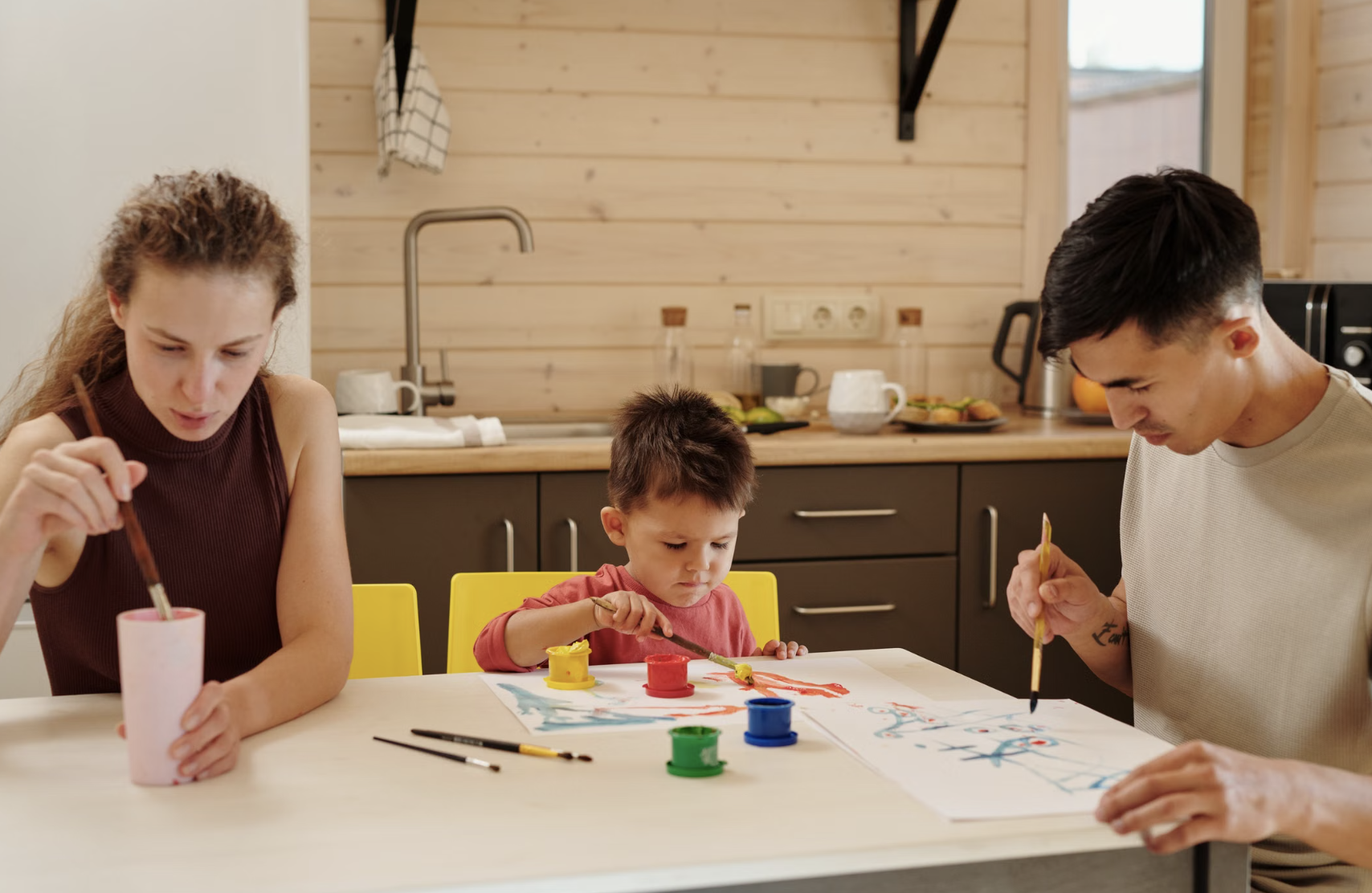
Sessions might look like structured one-on-one instruction, or they might look a lot like play. Often both. The idea with play-based work is that kids learn better when they’re engaged, which, honestly, makes sense for any child.
What Kinds of Things Does ABA Work On?
This varies a lot by child, but common focus areas include:
- Building communication: whether that’s spoken language, picture-based systems like PECS, or other tools
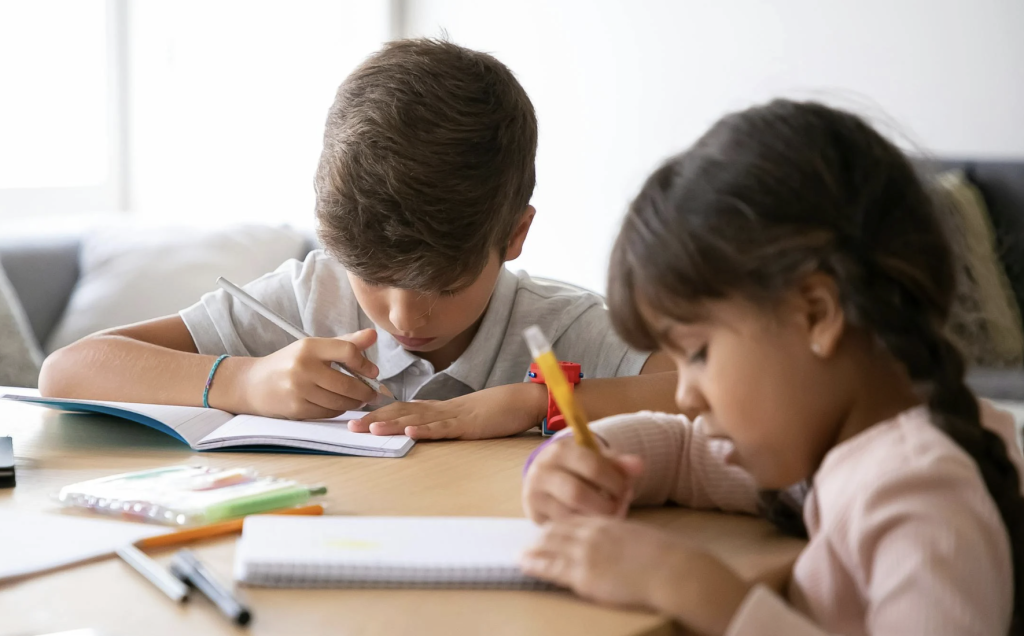
- Social skills: taking turns, making eye contact, initiating play with other kids
- Daily living: getting dressed independently, brushing teeth, basic hygiene
- Reducing behaviors that are disruptive or potentially harmful and replacing them with better coping strategies
Could My Child Benefit?
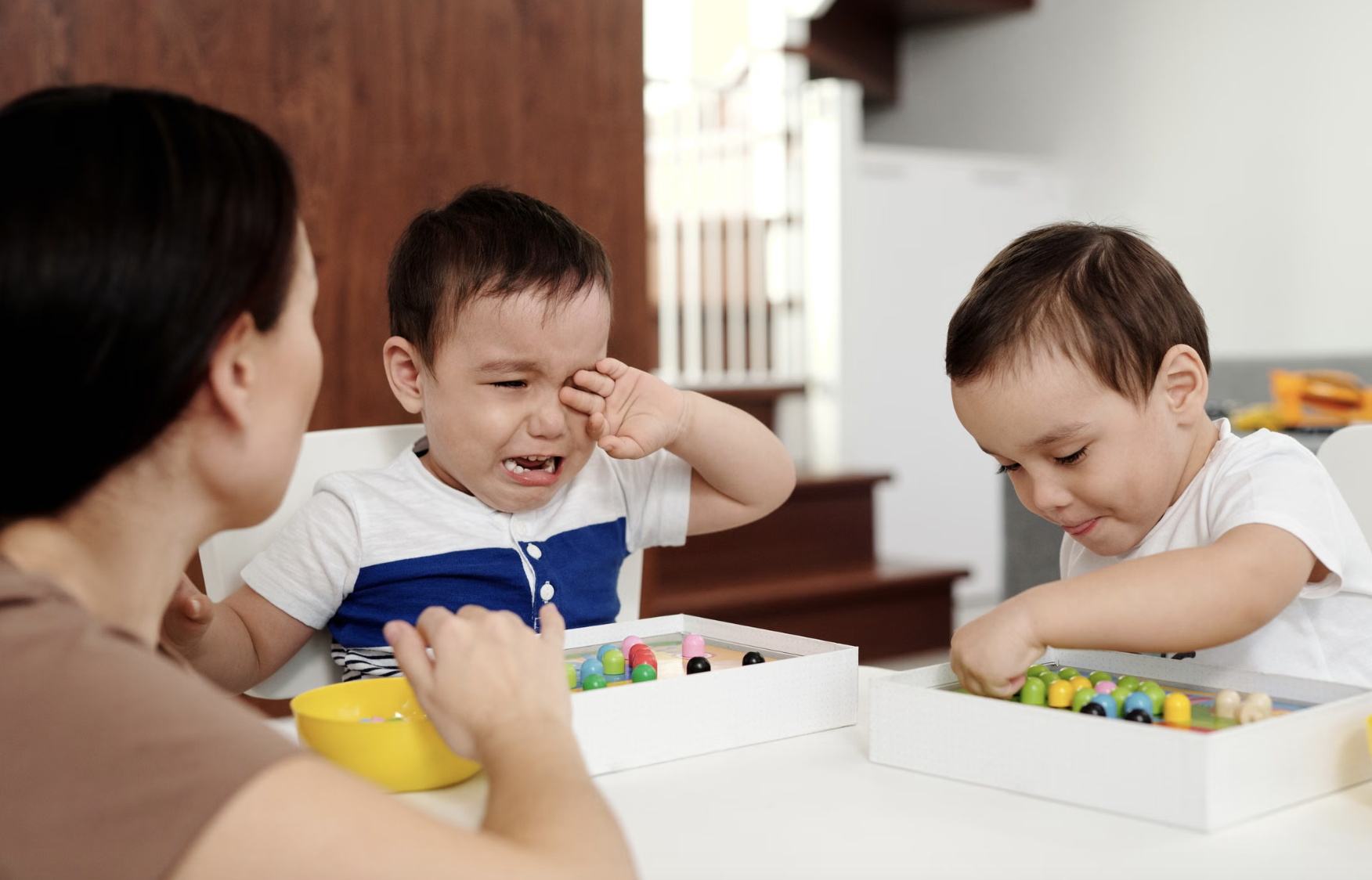
Parents often start looking into ABA when they notice things such as: limited speech or difficulty expressing needs, frequent meltdowns or aggressive behavior, very little interest in other children, trouble with basic self-care tasks, or safety concerns such as wandering.
None of those things on their own mean a child needs ABA, but they’re worth discussing with a professional. Earlier intervention, ABA tends to produce stronger long-term results. Most clinicians point to the years before age five as a particularly important window, though ABA can be beneficial at older ages too.
ABA Therapy Through Get Set ABA in Maryland
Get Set ABA offers in-home and school-based ABA therapy across Maryland. Programs are individualized, delivered by trained therapists, and supervised by BCBAs who actually know your child.
We accept most major insurance plans and Medicaid. If you’re not sure what your coverage looks like, we’ll help you figure that out before anything starts.
Reach out to schedule an assessment or just to ask questions. You don’t have to have it all figured out before you call.

FAQs
1. How do I know if my child needs ABA therapy?
Common signs parents notice include limited speech, frequent meltdowns, little interest in other children, challenges with self-care tasks, or safety concerns such as wandering. None of these alone confirms a need for ABA, but they’re worth discussing with a professional. An assessment with a BCBA is the best way to get a clear picture.
2. At what age should my child start ABA therapy?
The earlier, the better. Most clinicians consider the years before age five a particularly important window for intervention. That said, ABA can still be beneficial for older children; it tends to produce stronger long-term outcomes.
3. What does a typical ABA session look like?
It depends on the child and the program, but sessions often blend structured instruction with play-based learning. A therapist might practice specific skills through games and everyday activities rather than sitting at a table with flashcards. The goal is engagement, because children learn better when they’re genuinely interested.
4. Who designs my child’s ABA program?
A Board Certified Behavior Analyst (BCBA) creates and oversees the treatment plan. They start by getting to know your child specifically, their strengths, challenges, and motivators, rather than applying a one-size-fits-all approach. The program is adjusted over time based on data collected during sessions.
5. What will the first session actually look like?
Low-key. The therapist’s main priority early is building trust with your child, following their lead, joining activities they enjoy, and becoming a safe presence. You’ll also be involved, sharing what you know about your child’s daily life, preferences, and challenges. It won’t feel clinical or overwhelming.
6. What kinds of skills does ABA therapy target?
ABA can address a wide range of goals, including building communication (spoken language, picture-based systems, or other tools), developing social skills, learning daily living tasks such as dressing or hygiene, and replacing disruptive or harmful behaviors with healthier coping strategies. Goals are targeted to each child.
7. Does insurance cover ABA therapy?
Yes! At Get Set ABA, we accept many major insurance plans and Medicaid. Coverage varies, but we help you check your benefits, so the only thing you have to worry about is your child’s progress. Reach out to us today for verification.